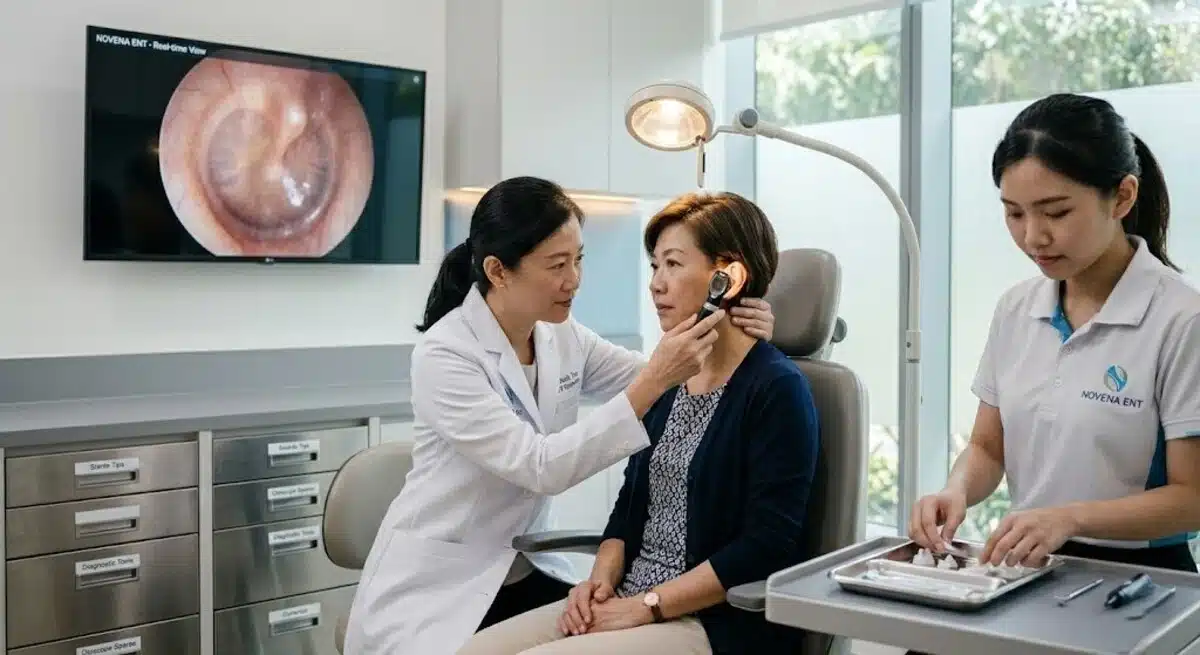
At Novena ENT, we meet many patients who are unsure about what a professional hearing evaluation involves. Some feel nervous, while others simply want to understand why their hearing seems different from before. A proper assessment is the first and most important step toward protecting your long-term ear health. Our goal is to make every hearing test Singapore patients attend clear, comfortable, and informative. From the moment you walk into our clinic, we guide you through a structured process designed to identify the cause of hearing loss and recommend the most suitable treatment.
Key Takeaways
- Hearing loss usually develops gradually, so early assessment catches problems before they worsen
- A full ENT hearing assessment covers six steps: consultation, physical ear exam, basic screening, pure tone audiometry, speech testing, and additional diagnostics if needed
- Results are classified as conductive, sensorineural, or mixed, and each type points to a different treatment
- Treatment options after diagnosis include medication, minor procedures, hearing aids, or implant referral


We see at Novena ENT how challenging hearing loss is and how much effect it has on all aspects of living day-to-day, from talking to other people to social interaction and general self-assurance. For those with severe or profound hearing loss Singapore, cochlear implants can be life-altering. As a trusted ENT specialist Singapore, we are committed to enabling patients to enjoy the magic of hearing once again through skilled treatment, cutting-edge technology, and personalised care.
Understanding Cochlear Implants
A cochlear implant is a sophisticated medical device that bypasses nonfunctioning areas of the inner ear and stimulates the auditory nerve directly. A cochlear implant is distinct from hearing aids Singapore, which merely amplify sound. It provides an impression of sound to patients who benefit little or not at all from standard amplification. At our ear specialist clinic Singapore, we have expertise in the assessment of patients for cochlear implant surgery and guiding every step of the process, from identifying candidates to rehabilitating after surgery. A cochlear implant is a very sophisticated medical device that bypasses nonfunctioning areas of the inner ear and stimulates the auditory nerve directly. A cochlear implant is distinct from hearing aids, which merely amplify

We at Novena ENT know how important it is to take care of your ears for your overall health. It’s important to find professionals who know how to treat ear problems, since they can range from infections and hearing loss to tinnitus and problems with balance. We’re a highly-rated ear clinic in Singapore that people trust. We promise to provide caring, evidence-based care for both adults and children. At our ear specialist clinic Singapore, we ensure access to specialised evaluation, precise diagnoses and optimal treatments—all in a comfortable, welcoming environment.
Why You Might Need an Ear Doctor in Singapore
Most people don’t think about their hearing until it stops working. If you have persistent ear pain, sudden hearing loss, or discharge from your ear, these could be signs of more serious problems that you should never ignore. At our ear clinic Singapore, we often see patients who wait too long to get help. An ear specialist Singapore can make a big difference in the outcomes if they act quickly. We want to inform patients about their symptoms and give them specialised care and treatment options based on their unique needs. We offer ample diagnostic tests and personalised care, no matter how small or big your problem is.
Management of Common Ear Conditio
Posted in Ear by admin

Ear infections can mess up your week real fast. One moment you’re fine, the next your ear’s throbbing, there’s pressure, you feel half-deaf, maybe even feverish. And if you’re dealing with a toddler or baby? It gets even trickier. Ear infections are common, especially in younger kids, but that doesn’t mean you just have to live with them. There are ways to lower the chances and know when it’s time to call an ear specialist for real help. Let’s talk about how these infections happen, why kids get them more than adults, and how both children and grown-ups can keep ear health in check. If you’re concerned about children ENT issues, keep reading.
How Do Ear Infections Happen
It usually starts with the middle ear, the space behind your eardrum that holds tiny bones that help carry sound. When a cold, the flu, or bad allergies hit, they can clog things up. That congestion builds pressure and traps fluid in the ear. Bacteria or viruses love that kind of warm, wet environment. Boom, infection starts. Kids are more vulnerable because their Eustachian tubes, the tubes that drain fluid from the middle ear, are shorter, thinner, and more horizontal. They clog up faster and drain slower. That makes them the perfect setup for fluid to get stuck and infection to start growing. In adults

We at Novena ENT are aware of how distressing it is for your child to wake up with ear pain or discomfort. Ear infections are the most common childhood diseases, and although many are benign, a chronic or neglected infections could have severe consequences for hearing and development. As a trusted children’s ENT clinic in Singapore, we aim to educate parents on the symptoms, treatment, and when to see an ear specialist Singapore. We have trained ENT specialists who are here to give your kids personalized care.
Knowing About Ear Infections in Children
Ear infections, especially middle ear infection (otitis media), typically result after a cold or respiratory infection. The eustachian tube, a thin tube running from the throat to the middle ear, may swell and become blocked, leading to fluid buildup and bacterial or viral infection. Infants and toddlers are particularly vulnerable because their eustachian tubes are smaller and more horizontal and drain less effectively. That is why ENT physicians see so many ear infections in children under five years of age.
Symptoms Parents Should Watch For
Ear infections are not always accompanied by clear symptoms, particularly in very young children who cannot communicate their pain. The following are signs that your child i

Selecting an appropriate hearing aid is a significant decision that extends beyond aesthetics, style, or brand preference. It requires comprehensive consideration of your hearing profile, specific hearing needs, lifestyle demands, comfort preferences, and budget considerations. At Novena ENT – Head & Neck Surgery Specialist Centre, our in-house Audiologists would guide you through the following key considerations in making a well-informed and suitable choice.
Step 1: Understand Your Hearing Profile
Before anything else, a comprehensive hearing assessment is essential to identify the degree of hearing impairment. Hearing loss is not one-size-fits-all as it can range from mild to profound, and may be in one or both ears. Different types and degrees of hearing loss require different hearing aid styles and technologies. Our Audiologist would be able to recommend the appropriate type of hearing aids with a precise audiogram and diagnosis during your consultation with ear specialists at Novena ENT.
Step 2: Explore Different Types of Hearing Aids
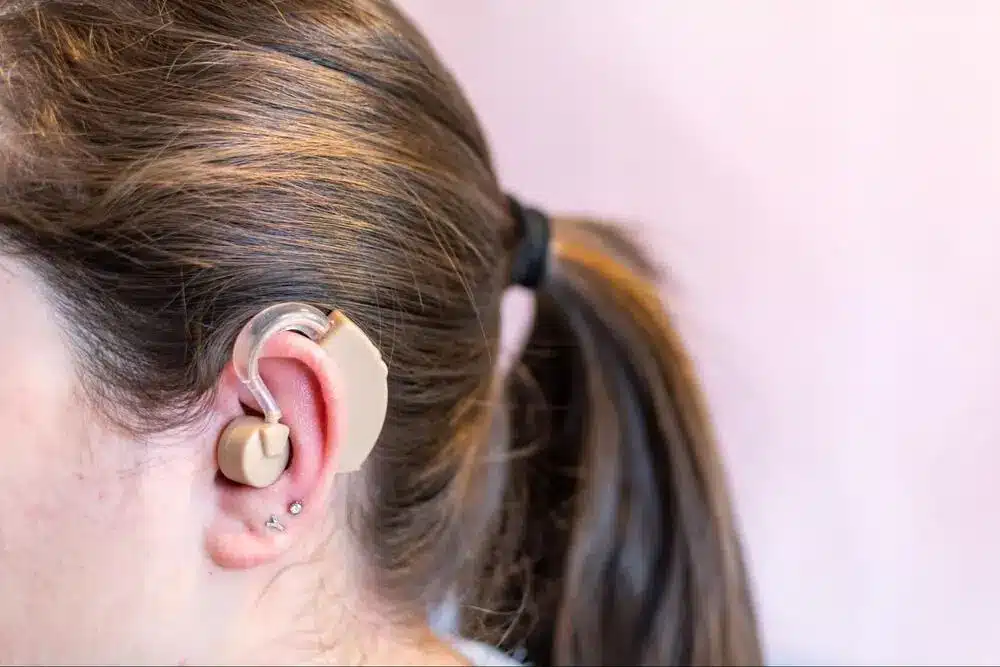
Modern hearing aids come in various designs to accommodate different degrees of hearing loss, cosmetic preferences, and lifestyle needs. Here’s a quick overview of the different types of hearing aids.