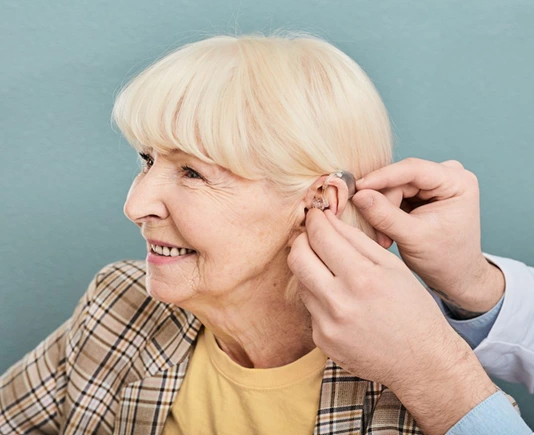

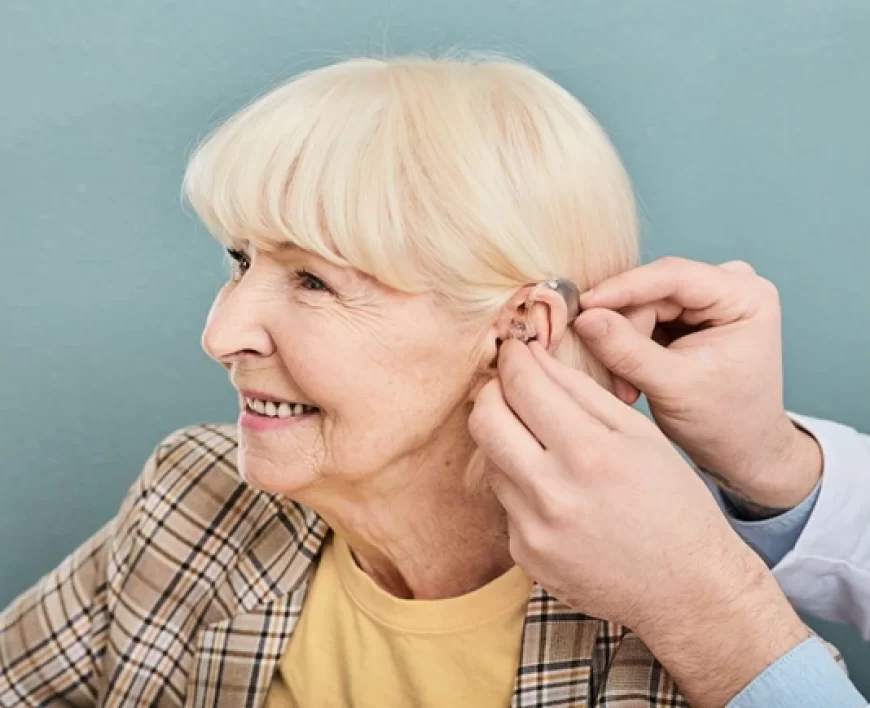
Selecting an appropriate hearing aid is a significant decision that extends beyond aesthetics, style, or brand preference. It requires comprehensive consideration of your hearing profile, specific hearing needs, lifestyle demands, comfort preferences, and budget considerations. At Novena ENT – Head & Neck Surgery Specialist Centre, our in-house Audiologists would guide you through the following key considerations in making a well-informed and suitable choice.
Step 1: Understand Your Hearing Profile
Before anything else, a comprehensive hearing assessment is essential to identify the degree of hearing impairment. Hearing loss is not one-size-fits-all as it can range from mild to profound, and may be in one or both ears. Different types and degrees of hearing loss require different hearing aid styles and technologies. Our Audiologist would be able to recommend the appropriate type of hearing aids with a precise audiogram and diagnosis during your consultation with ear specialists at Novena ENT.
Step 2: Explore Different Types of Hearing Aids
Modern hearing aids come in various designs to accommodate different degrees of hearing loss, cosmetic preferences, and lifestyle needs. Here’s a quick overview of the different types of hearing aids.
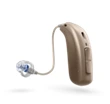
| Completely-In-Canal (CIC) / Invisible-In-Canal (IIC) | In-The-Canal (ITC) / In-The-Ear (ITE) | Receiver-In-Canal (RIC) | Behind-The-Ear (BTE) |
 |
 |
 |
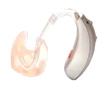 |
| CIC/IIC hearing aid is custom-moulded to fit almost completely within the ear canal and is difficult to spot. | ITC/ITE is a customised hearing aid that rests comfortably in the ear canal. | RIC model sits comfortably behind the ear with a thin wired receiver (speaker) that goes into the ear canal. | BTE model sits behind the ear and is connected to a custom-made earmold that fits comfortably inside the ear canal. |
| Mild to moderate hearing loss. | Mild to moderately severe hearing loss | Mild to severe hearing loss. | Moderate to profound hearing loss. |
Step 3: Technology Features
A simple question to ponder on would be “How often are you spending time in different listening environments, such as meetings, restaurants, outdoors, or social gatherings?” and “How would the advancement in hearing aid technology help to recover your hearing functionality?” Modern hearing aids are equipped with sophisticated microchips that capture sound and process it before sending it to the ear and brain for interpretation.
These devices do more than simply amplify sounds; they can enhance speech clarity, reduce background noise, and adapt automatically to different listening environments based on various technology features. Some hearing aids offer better performance in challenging sound environments and come with noise-reduction or directional microphone features to improve clarity in conversations.
Some hearing aid advanced key features to consider are:
- Digital signal processing – Automatically processes sound in real time to enhance speech clarity.
- Directional microphones – Pick up sounds coming from the front while reducing sounds from other directions.
- Noise reduction – Minimizes background noise to focus on speech.
- Feedback cancellation – Controls high-pitched whistling noise when amplified sounds escape the ear.
- Wind noise suppression – Detect wind patterns and apply attenuation in microphones that are exposed to open-air environments.
- Automatic sound adaptation – Automatically adapts to different environments without manual adjustments.
- Bluetooth connectivity – Connects your hearing aid to smartphones, TVs, and laptops.
- Rechargeability – Convenient and environmentally friendly.
- Telecoil – Helps connect to hearing loop systems in public environments and theatres.
- Tinnitus masker – Soothing, low-volume sounds like white noise that provide relief to manage tinnitus.
- App integration – Users can easily make adjustments to the hearing aids from their smartphone.
Step 4: Budget and Cost Factors
The cost of a hearing aid varies significantly, largely depending on the technology level across brands and their specific features. While cost is an important consideration, it is also essential to invest in hearing aids that align with your daily communication needs, lifestyle, and comfort. At Novena ENT, we offer a wide selection of hearing aid options across different price points.
While basic models meet essential needs, investing in advanced options can provide a more natural, comfortable, and personalized listening experience. The hearing aids typically prescribed at our clinic range from $3000 to $8000 per unit. Our Audiologist will walk you through the value each option provides and help you to find the pair that delivers both value and lasting functionality within your budget.
Step 5: Arrange a Consultation with an Audiologist
Choosing the most appropriate hearing aid is more than researching brands online or reviewing technical specifications. Hearing aids are highly personal medical devices, and selecting the right one requires a tailored approach that takes into account not only your hearing loss, but also your daily routines, communication challenges, and long-term goals. For comprehensive hearing loss management at Novena ENT, it is highly recommended to seek professional guidance from our qualified Audiologist to make a wise and effective decision.
At Novena ENT, we carry a wide selection of hearing aids from four globally recognized manufacturers, which are Oticon (Denmark), Phonak (Switzerland), Signia (Germany), and Widex (Denmark). These industry-leading brands are renowned for their cutting-edge technology, clinical reliability, and superior sound quality, allowing us to provide a comprehensive range of tailored solutions to meet the diverse needs of our patients.
During the hearing aid consultation, the Audiologist will personalize your hearing care plan by assessing your hearing profile and tailoring recommendations based on your individual hearing needs, lifestyle, and communication goals. You will have the opportunity to try on different devices and experience real-life soundscapes, with fine-tuning made to ensure optimal sound quality and comfort. The Audiologist will also explain how specific features can benefit your work, social, and home environments, ensuring the selected device integrates seamlessly into your daily life.
Step 6: Aftercare and Support
Hearing aids are not one-time purchases and they require ongoing care to ensure consistent performance and boost the user’s comfort. Regular fine-tuning, maintenance, and occasional software updates are essential to keep your devices functioning at their best. At Novena ENT clinic, our commitment to your hearing journey goes well beyond the initial hearing aid fitting. Our expert team provides comprehensive aftercare services, which include continued support, fine-tuning, and repair services as your hearing needs evolve.
If standard hearing aids prove insufficient, we also offer cochlear implant surgery in Singapore, delivering advanced options for severe hearing loss cases. We will guide you through the proper care and maintenance of your hearing aids, so you feel confident managing your devices at home. In addition, we schedule routine follow-up appointments to ensure long-term satisfaction and optimal hearing outcomes. Let’s begin your journey to better hearing with peace of mind. We are ready to walk you through it all!