

Definition and Overview
Hearing loss is a condition in which a person experiences partial or complete inability to hear sounds. It is one of the most common health conditions affecting people of all ages worldwide. According to the World Health Organization, approximately 1.5 billion people worldwide live with some degree of hearing loss, with over 430 million of these individuals requiring intervention to address their condition.[1]
In Singapore, hearing loss affects a significant proportion of the population, particularly among older adults. The Ministry of Health and healthcare providers across Singapore recognise hearing loss as an important public health concern that can affect quality of life, social participation, and overall wellbeing.
Hearing loss can develop gradually over time or occur suddenly. It may affect one ear (unilateral) or both ears (bilateral), and can range from mild difficulty hearing certain sounds to profound deafness.
How Hearing Works
To understand hearing loss, it is helpful to understand how hearing functions normally. The ear consists of three main parts: the outer ear, middle ear, and inner ear.
Sound waves enter through the outer ear and travel down the ear canal to the eardrum, causing it to vibrate. These vibrations pass through three tiny bones in the middle ear (the ossicles), which amplify the sound and transmit it to the inner ear. In the inner ear, the cochlea—a fluid-filled structure containing thousands of tiny hair cells—converts these vibrations into electrical signals. These signals travel along the auditory nerve to the brain, where they are interpreted as sound.
When damage occurs at any point in this pathway, hearing loss may result.
Types and Causes of Hearing Loss
Conductive Hearing Loss
Conductive hearing loss occurs when sound cannot be efficiently transmitted through the outer or middle ear. Common causes include:
- Cerumen impaction (earwax buildup)
- Otitis media (middle ear infection)
- Otosclerosis (abnormal bone growth in the middle ear)
- Perforated eardrum
- Congenital conditions affecting ear structure
Research indicates that conductive hearing loss is often temporary and may be reversible with appropriate treatment.[2]
Sensorineural Hearing Loss
Sensorineural hearing loss results from damage to the hair cells in the inner ear or the auditory nerve. This type accounts for approximately 90% of hearing loss cases in adults.[3]
Common causes include:
- Age-related hearing loss (presbycusis) — gradual decline in hearing with advancing age
- Noise exposure — prolonged or intense sound exposure from occupational or recreational sources
- Ototoxic medications — certain drugs that damage inner ear structures
- Genetic factors — hereditary conditions affecting hearing
- Head trauma or temporal bone fracture
- Viral infections — such as measles or meningitis
- Sudden sensorineural hearing loss — rapid onset, sometimes without identifiable cause
Studies suggest that sensorineural hearing loss is typically permanent, as the hair cells of the inner ear cannot regenerate with current medical technology.[4]
Mixed Hearing Loss
Mixed hearing loss involves components of both conductive and sensorineural loss and requires individualised assessment to determine appropriate management.
Risk Factors and Epidemiology
Research has identified several factors associated with increased risk of hearing loss:
- Age — Hearing ability typically declines with age; age-related hearing loss affects approximately 1 in 3 people aged 65 and older.[5]
- Occupational noise exposure — Particularly relevant in Singapore’s industrial and construction sectors; exposure to sounds 85 decibels or higher over extended periods
- Recreational noise exposure — Including music venues, personal audio devices, and recreational activities
- Genetic predisposition — Family history of hearing loss increases risk
- Certain medications — Including aminoglycosides, chemotherapy agents, and high-dose aspirin
- Chronic health conditions — Such as diabetes or cardiovascular disease, which are prevalent in Singapore
- Smoking — Associated with increased hearing loss risk in some studies
- Head or ear trauma
Individual factors influence the degree to which these risk factors affect any given person.
Signs and Symptoms
Common indicators of hearing loss may include:
- Difficulty hearing conversations, especially in noisy environments (common in Singapore’s busy urban settings)
- Frequently asking others to repeat themselves
- Turning up the volume on television or radio
- Tinnitus (ringing, buzzing, or other sounds in the ear)
- Difficulty hearing high-pitched sounds
- Social withdrawal or difficulty in social gatherings and family interactions
- Difficulty with telephone conversations
It is important to note that symptoms vary significantly among individuals. Some people experience gradual onset over months or years, while others may notice sudden changes. Consulting a healthcare provider when hearing difficulties are noticed can help determine the cause and appropriate next steps.
Diagnosis and Assessment in Singapore
Hearing loss is diagnosed through a comprehensive auditory evaluation. In Singapore, this can be conducted by:
- Otolaryngologists (ENT specialists) — Available at major hospitals and private ear specialist clinic Singapore.
- Audiologists — Professionally trained specialists available at hospitals, audiology centres, and private practices
- General practitioners — Can perform initial screening and referral to specialists
Assessment typically includes:
- Audiometry — Standardised hearing tests in which a person listens to tones at different pitches and volumes and indicates when they can hear them
- Tympanometry — Measurement of middle ear function
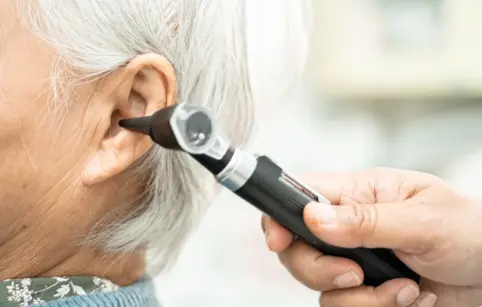
- Otoscopy — Visual examination of the ear canal and eardrum
- Medical history and physical examination — To identify potential underlying causes
- Imaging studies — Such as MRI or CT scans, if certain conditions are suspected
A formal diagnosis helps determine the type and severity of hearing loss, which informs treatment decisions and management strategies.
Accessing Healthcare in Singapore
Singapore’s integrated healthcare system provides multiple pathways for hearing evaluation and management:
- Public healthcare — Polyclinics and public hospitals (through the Ministry of Health) provide affordable hearing assessments and management services
- Private healthcare — Private children ENT practices, audiology centres, and hospitals offer specialised services, often with shorter waiting times
- Subsidies and financial assistance — Eligible Singapore residents may access subsidies for hearing assessments and devices through various schemes. Details are available through:
- Local polyclinics
- Community health offices
- The Ministry of Health website
Consultation with your primary care provider can help you determine the most appropriate pathway for your situation.
Treatment and Management Options
Treatment approaches depend on the type, severity, and underlying cause of hearing loss.
Conductive Hearing Loss
When conductive hearing loss is identified, treatment may include:
- Cerumen removal for earwax impaction
- Antibiotics or other medications for infection-related causes
- Surgical intervention for conditions such as otosclerosis or ossicular discontinuity
Research indicates that many cases of conductive hearing loss can be effectively managed, though outcomes vary based on the specific cause and individual patient factors.[6]
Sensorineural Hearing Loss
Since hair cell regeneration is not currently possible with standard medical approaches, management focuses on improving auditory function and communication:
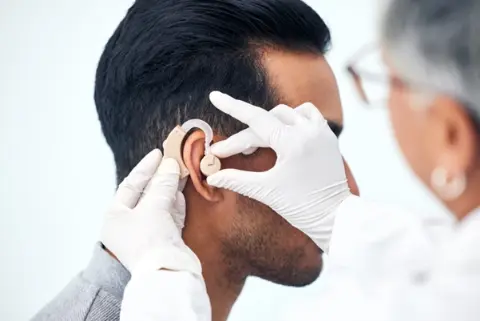
- Hearing aids
Amplification devices that make sounds louder. In Singapore, hearing aids are available from:- Audiology centres and ENT clinics
- Specialised hearing aid retailers
- Major hospitals
Modern hearing aids come in various styles and with different technological features. Studies show that appropriately fitted hearing aids can improve hearing function and quality of life for many users, though effectiveness varies by individual characteristics and degree of hearing loss.[7] Your audiologist can discuss options suited to your lifestyle and communication needs.
- Cochlear implants
Surgically implanted devices that bypass damaged hair cells and directly stimulate the auditory nerve. Cochlear implant Singapore services are available at major public and private hospitals. Cochlear implants may be considered for individuals with severe to profound sensorineural hearing loss who receive limited benefit from conventional hearing aids. Candidacy requires comprehensive evaluation, and outcomes depend on factors including age at implantation, duration of deafness, and overall health status.[8] - Assistive listening devices
Technology such as hearing loops, FM systems, and captioning services that supplement hearing aids or improve communication in specific environments - Communication strategies
Including lip reading, sign language (Singapore Sign Language for the deaf community), and communication partner education - Aural rehabilitation
Training to maximise use of remaining hearing and develop compensatory strategies, available through many audiology centres and rehabilitation services in Singapore
General Approaches
For all types of hearing loss, consultation with a qualified healthcare provider—such as an audiologist or otolaryngologist—is essential to:
- Identify the underlying cause
- Assess the type and severity of loss
- Discuss available options appropriate to individual circumstances
- Establish realistic expectations based on current evidence
- Monitor hearing over time
Prevention and Risk Reduction
While not all hearing loss can be prevented, research suggests that certain measures may reduce risk or slow progression:
- Noise protection — Using appropriate hearing protection when exposed to loud sounds in occupational or recreational settings. This is particularly important for workers in construction, manufacturing, and other noise-intensive industries in Singapore
- Limiting personal audio device use — Keeping volume at safe levels and taking listening breaks; important given high mobile device usage in Singapore
- Managing cardiovascular health — Studies suggest associations between cardiovascular health and hearing; managing conditions such as diabetes and hypertension
- Medication review — Discussing potential ototoxic effects with healthcare providers
- Smoking cessation — May reduce hearing loss risk
- Safety practices — Head injury prevention to avoid trauma-related hearing loss
The effectiveness of prevention strategies varies among individuals, and some forms of hearing loss cannot be prevented despite risk reduction efforts.

Impact on Quality of Life and Communication
Hearing loss can affect various aspects of daily functioning. Research indicates that untreated hearing loss may be associated with:
- Difficulty in social interactions and relationships
- Occupational challenges and workplace communication
- Potential effects on cognitive function in some populations (though this area requires further research)
- Emotional and psychological effects, including isolation or frustration
- Difficulty engaging in community and family activities
Early identification and appropriate management may help mitigate some of these impacts, though individual experiences vary significantly.
When to Seek Professional Evaluation
Consider scheduling an appointment with a healthcare provider or audiologist if you experience:
- Difficulty hearing in conversations
- Persistent tinnitus
- Sudden hearing loss (a medical emergency requiring prompt evaluation)
- Difficulty with hearing that interferes with daily activities, work, or social participation
- A family history of hearing loss
- Exposure to medications known to affect hearing
- Work-related noise exposure concerns
Prompt professional evaluation is particularly important for sudden hearing loss, as early intervention may be beneficial in some cases.[9]
Key Takeaways
Hearing loss is common and affects quality of life, but multiple treatable options exist. Early identification is important—do not ignore gradual hearing changes. The type of hearing loss (conductive versus sensorineural) determines the treatment approach, and treatment options range from simple interventions like cerumen removal to more complex approaches such as hearing aids or cochlear implants. Individual outcomes vary significantly, so discussing realistic expectations with your healthcare provider is essential.
Singapore’s healthcare system provides accessible pathways through polyclinics and public hospitals. Ongoing management is often needed, but life quality can be significantly improved with appropriate intervention.
References
[1] World Health Organization. (2021). World report on hearing. WHO. https://www.who.int/publications/i/item/9789240020481
[2] American Academy of Otolaryngology–Head and Neck Surgery. Conductive hearing loss. Patient education materials.
[3] National Institute on Deafness and Other Communication Disorders. (2023). Hearing loss statistics. https://www.nidcd.nih.gov
[4] Cox, R. M., & Alexander, G. C. (2002). The International Outcome Inventory for Hearing Aids (IOI-HA): Psychometric properties of the English version. International Journal of Audiology, 41(1), 30-35.
[5] Goman, A. M., & Lin, F. R. (2016). Prevalence of hearing loss by severity in the United States. American Journal of Public Health, 106(7), 1820-1822.
[6] Merchant, S. N., Rosowski, J. J., & Nadol Jr, J. B. (2005). Mechanisms of conduction hearing loss in otosclerosis: A review. Otology & Neurotology, 26(2), 151-164.
[7] Chisolm, T. H., Johnson, C. E., Danhauer, J. L., et al. (2007). A systematic review of health-related quality of life and hearing aids: Final report of the American Academy of Audiology Task Force. Journal of the American Academy of Audiology, 18(2), 151-183.
[8] Zeng, F. G., Rebscher, S., Harrison, W., Sun, X., & Feng, Y. (2008). Cochlear implants: system design, integration, and evaluation. IEEE Reviews in Biomedical Engineering, 1, 115-142.
[9] Rauch, S. D. (2008). Idiopathic sudden sensorineural hearing loss. New England Journal of Medicine, 359(8), 833-840.